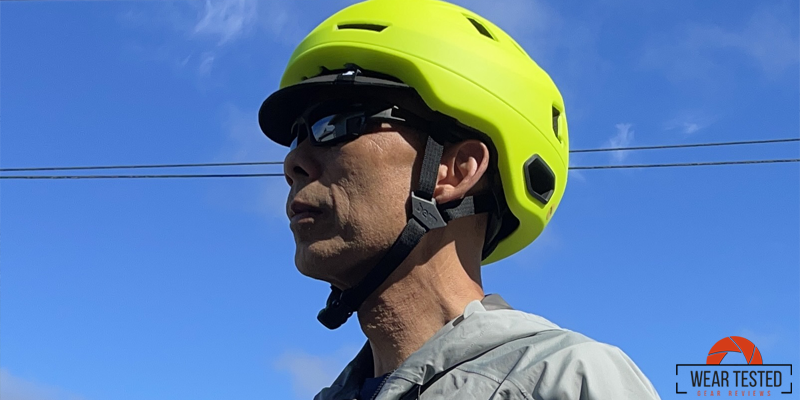


Do Bike Helmets Really Prevent Serious Injuries?

What the science says about helmets, head trauma, and real-world protection.
Introduction
Cyclists often ask: Do bike helmets actually help when a crash happens? Questions like “How useful are helmets when your face hits the ground?” appear frequently on forums and Q&A sites. This post cuts through the noise with clear evidence, crash data, and modern helmet science.
1. The Injury-Reduction Evidence
- A meta-analysis of 55 studies (1989-2017) found helmet use reduced head injury risk by ~48%, serious head injury by ~60%, traumatic brain injury by ~53%, facial injury by ~23%, and killed or seriously injured cyclists by ~34%. Source
- Another review found helmets provide a 63-88% reduction in the risk of head, brain, and severe brain injury. Source
- A 2023 study reported helmet use reduces head injuries by ~60% and brain injuries by ~58%. Source
- The CDC notes only about 18% of U.S. bicyclists wear helmets all or most of the time—despite the proven benefit. Source
- Universal helmet use in children could save ~$3.3 billion in lifetime injury costs. The benefit-cost ratio for adult helmets is about 15:1. Source
Key takeaway: Helmets consistently lower the risk of head and brain injury, especially severe ones, when worn correctly.
2. How Helmets Protect You
Impact and Energy Absorption
Helmets absorb and spread crash energy so less force reaches your skull and brain. They also reduce rotational acceleration, a key cause of traumatic brain injury.
Research Findings
- Helmets reduce brain injury risk by up to 88%. Source
- They cut upper- and mid-face injury risk by about 65%, though they offer limited protection for the lower jaw. Source
Real-World Implications
No helmet can make you invincible, but the data is clear: wearing one greatly improves your odds of avoiding catastrophic outcomes like skull fractures or major brain trauma. Fit and certification matter.
3. What Modern Helmets Offer
Certifications and Standards
Look for EN 1078, CPSC, or regional equivalents. If you've recently purchased an e-bike it's strongly recommended to get an NTA 8776 certified helmet. Modern systems such as MIPS and DVRT enhance protection against rotational forces.
Features That Matter
- Fit systems: adjustable dials and retention keep helmets stable during impact.
- Impact management: multi-layer foams and liner systems absorb both linear and rotational energy.
- Replacement: materials degrade over time; replace every 5 years or after a crash.
4. When to Replace a Helmet
- Immediately after any significant crash
- Every 5 years (or per manufacturer guidance)
- If the shell or foam shows cracks, dents, or compression
- If standards have advanced and your model is outdated
5. Learn More and Stay Protected
Explore Bern’s Safety Standards and Bike Helmet Collection for certified models built for real-world protection.
Next in this series: Why Some Cyclists Don’t Wear Helmets (and What’s Changing).
6. FAQ
Do bike helmets prevent concussions?
Helmets greatly reduce head-injury risk, though no design eliminates concussions entirely. Studies show a 53-60% reduction in traumatic brain injury risk. Study
How often should I replace my helmet?
After any crash or roughly every 5 years, since UV and material fatigue reduce performance.
Are there certifications I should look for?
Yes. CPSC, EN 1078, NTA 8776 (for e-bikes), and technologies such as MIPS or DVRT for rotational impact management.
Conclusion
The evidence is clear: wearing a properly fitted, certified helmet dramatically reduces your risk of serious head and brain injury. Modern helmets with advanced impact-management systems provide measurable protection. Choose one that fits, meets certification standards, and replace it when due; your brain is worth it.